
How is climate change going to affect India?
Water
-
The Himalayas are responsible for most of the water supply in India with the source of major perennial rivers such as the Ganga, Yamuna, Brahmaputra as well as parts of Indus.
-
These rivers in turn are utilised for water consumption, irrigation and industry.
-
By the year 2100, there will be half the number of glaciers in the Himalayas compared to present day that will affect water availability.
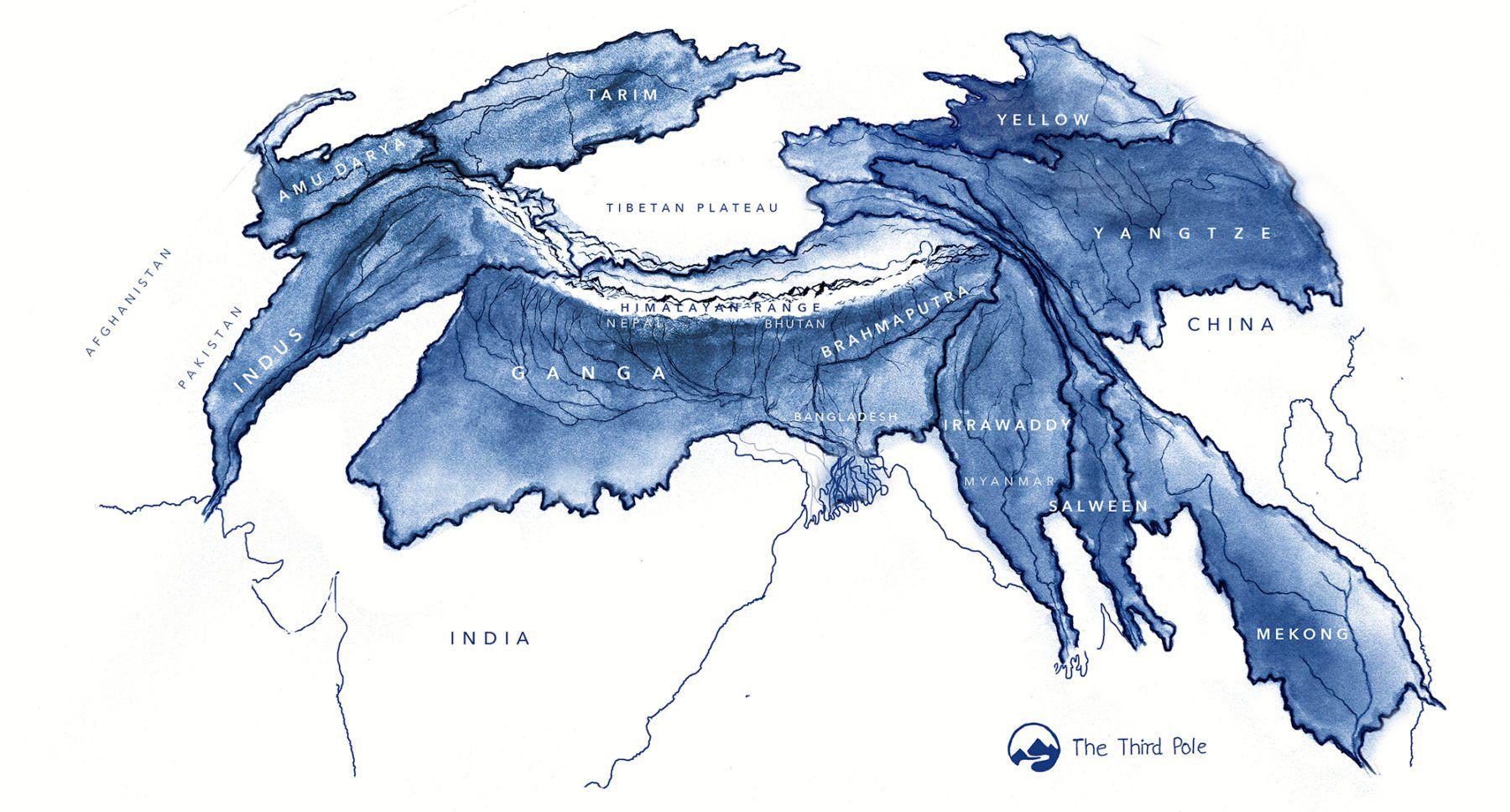
(Source: The Third Pole)
Agriculture and Rainfall
Rainfall patterns have shown a drastic change since the latter half of the 20th century which is the primary water source in India's agricultural sector. In the short-run (2010–2039), climate change will lower yields between 4.5 to 9 percent, whereas, in the long-run (2070–2099), it will drastically reduce the yields by at least 25 percent in the absence of adaptation.
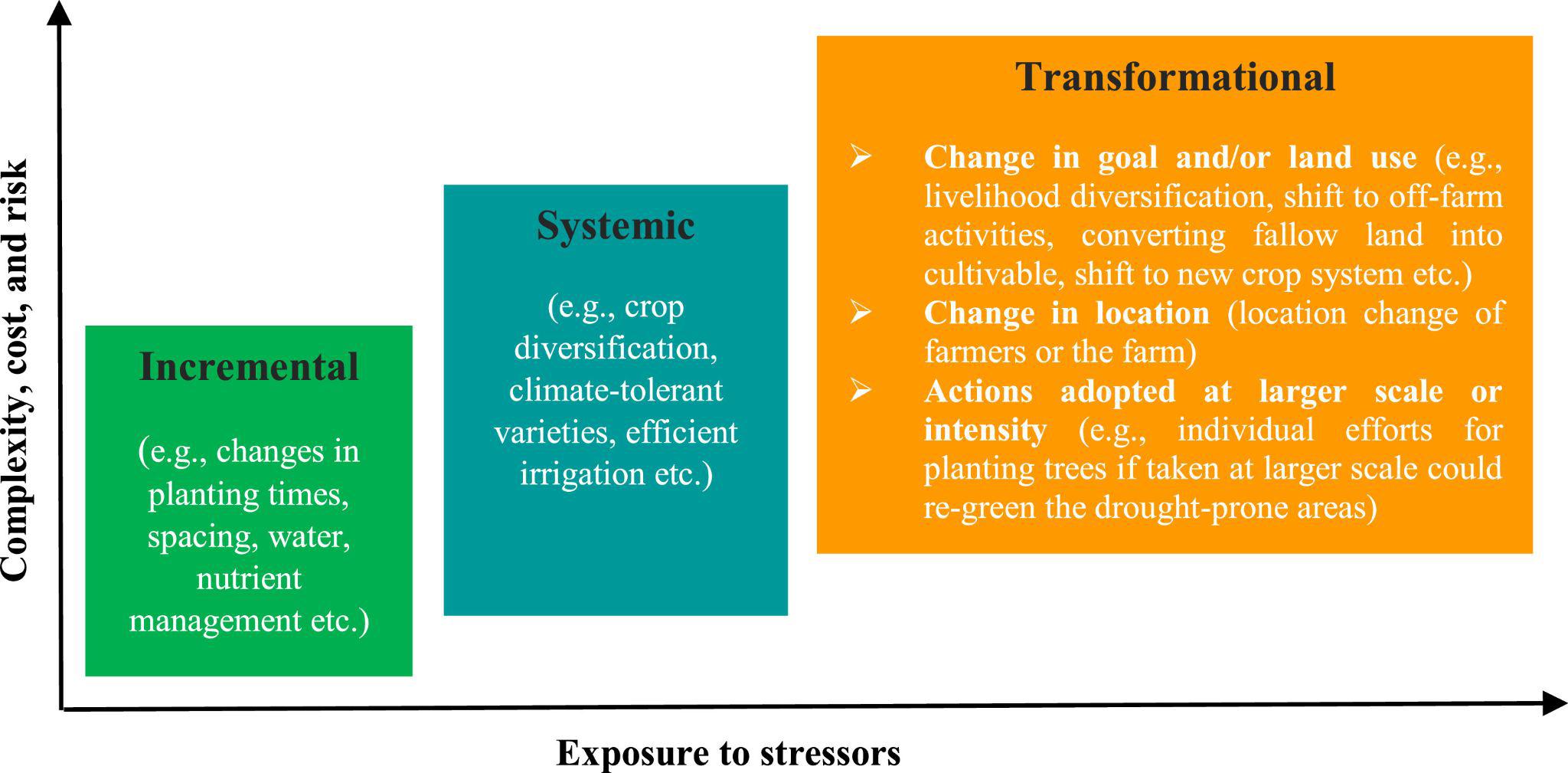
Graph represents different levels of adaptation measures that will be needed in Indian agriculture.
(Source: Climate change and Indian agriculture)
No Comments